
Plan a kitesurfing trip to Bali the smart way.
In short
Bali is a rewarding kitesurfing destination once you sort the flights, baggage and timing. A little planning saves you money and stress before you even arrive.
Aim for the dry season winds, pack your gear tight to dodge excess baggage fees, and pick a coast that suits your level.
What you'll learn here
How to get there, keep baggage costs down, choose the right season and spot, and handle the everyday practicalities of a kite trip to Bali.
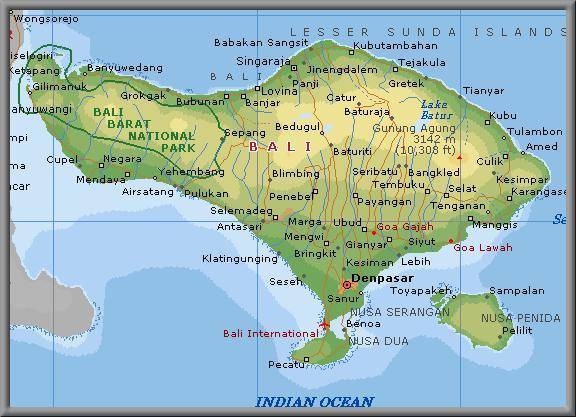
Bali rewards a bit of homework. Get your flights, gear and timing right and you land ready to ride instead of ready to argue at a check-in desk.
Getting there
Fly direct to Denpasar if you can. Routes that connect through other hubs stretch the journey out and leave you tired before the fun starts.
Book early for the best fare. Airfares climb as seats fill, so locking in your dates well ahead almost always beats a last minute booking.
Managing baggage and weight
Excess baggage is where kite trips get expensive. Kites and boards are bulky, so read your airline's weight and length limits closely before you pack.
Pre purchase extra kilos where you can. Buying an extra allowance online is usually far cheaper than paying by the kilo at the airport counter.
Pack one board bag with only what you need, tightly together, and keep it under the airline limit. Put the rest in a large carry on day pack.
Load the heavy bits into your carry on. Fins, spreader bars and hardware go in the day pack, and travel light on clothes since they are cheap to buy locally.
"Half the battle on a kite trip is won at the check-in desk. Pack tight, know your limits, and the airline has nothing to charge you for."
Best time for wind
June through August is prime time. The dry season trade winds are the most reliable of the year, which is why it is the classic window for a Bali kite trip.
Check conditions before you commit to a session, and treat local knowledge as gold since tides and wind direction change what each spot offers.
East coast: Sanur
Sanur suits learners and improvers. A large flat water lagoon sits inside the reef, giving you protected water that is ideal for building skills.
There are waves out the back, and the wind tends to be onshore, which can still be fun. The lagoon is tidal, so always check the tide before you head out.
Renting can beat travelling with gear. If Bali is a short trip or part of a general holiday, hiring from a local school saves you the baggage hassle entirely.
West coast: Kuta side
Wind near Kuta is often offshore. As you move up the coast the shoreline swings around and the wind turns more side shore, which is safer and more rideable.
The wave spots on this side tend to fire later in the day, sometimes around lunch. Wind can be gusty, so these breaks are not ideal for inexperienced kiters.
Respect the crowd and the rules. Popular reef breaks draw plenty of surfers, so know your right of way and stay clear of rocks and headlands downwind.
Everyday practicalities
Carry some cash and use ATMs. Cards are widely accepted, but ATMs in the main tourist areas are the easiest and safest way to get local currency.
Sort your passport and visa early. Check the current entry requirements before you fly, as rules and any arrival fees change from year to year.
Use taxis or hire a driver to get around. If you ride a scooter, always wear a helmet and make sure you hold the correct licence for it.
Get a local SIM to avoid bill shock. Roaming on your home plan gets expensive fast, so a local prepaid SIM keeps you online for a fraction of the cost.
Questions & Answers
When is the best time to kite in Bali? The June to August dry season delivers the most reliable trade winds and is the traditional window for a kitesurfing trip. Outside that period the wind is far less dependable, so plan your dates around it.
Should I bring my own gear or rent there? If you are on a short trip or a general holiday, renting from a local school avoids excess baggage fees and the risk of damage in transit. If you are staying a while and are particular about your setup, bringing your own can be worth the effort.
How do I avoid excess baggage charges? Read your airline's weight and length limits before packing, pre purchase any extra allowance online rather than at the counter, and consolidate everything into one tightly packed board bag with a heavy carry on day pack.
Which coast should I ride? The east coast around Sanur has a protected flat water lagoon that is great for learning and improving. The west coast near Kuta has wave spots that suit more experienced riders, with gustier wind and bigger crowds.